
Retirement Planning for 2026: Key Changes, Limits, and Smart Strategies

Retirement Planning for 2026: Key Changes, Limits, and Smart Strategies

As we start **January 2026**, retirement planning gets a boost from new IRS limits and rules. The IRS increased contribution amounts for 401(k)s and IRAs, giving you more room to build your nest egg. Whether you're in your 20s starting out or nearing retirement, understanding these updates can help secure your future.

Retirement planning isn't just about saving—it's about smart tax strategies, maximizing employer benefits, and preparing for longevity. With Americans living longer, a solid plan ensures you enjoy those golden years without financial stress.

Piggy bank representing retirement savings growth

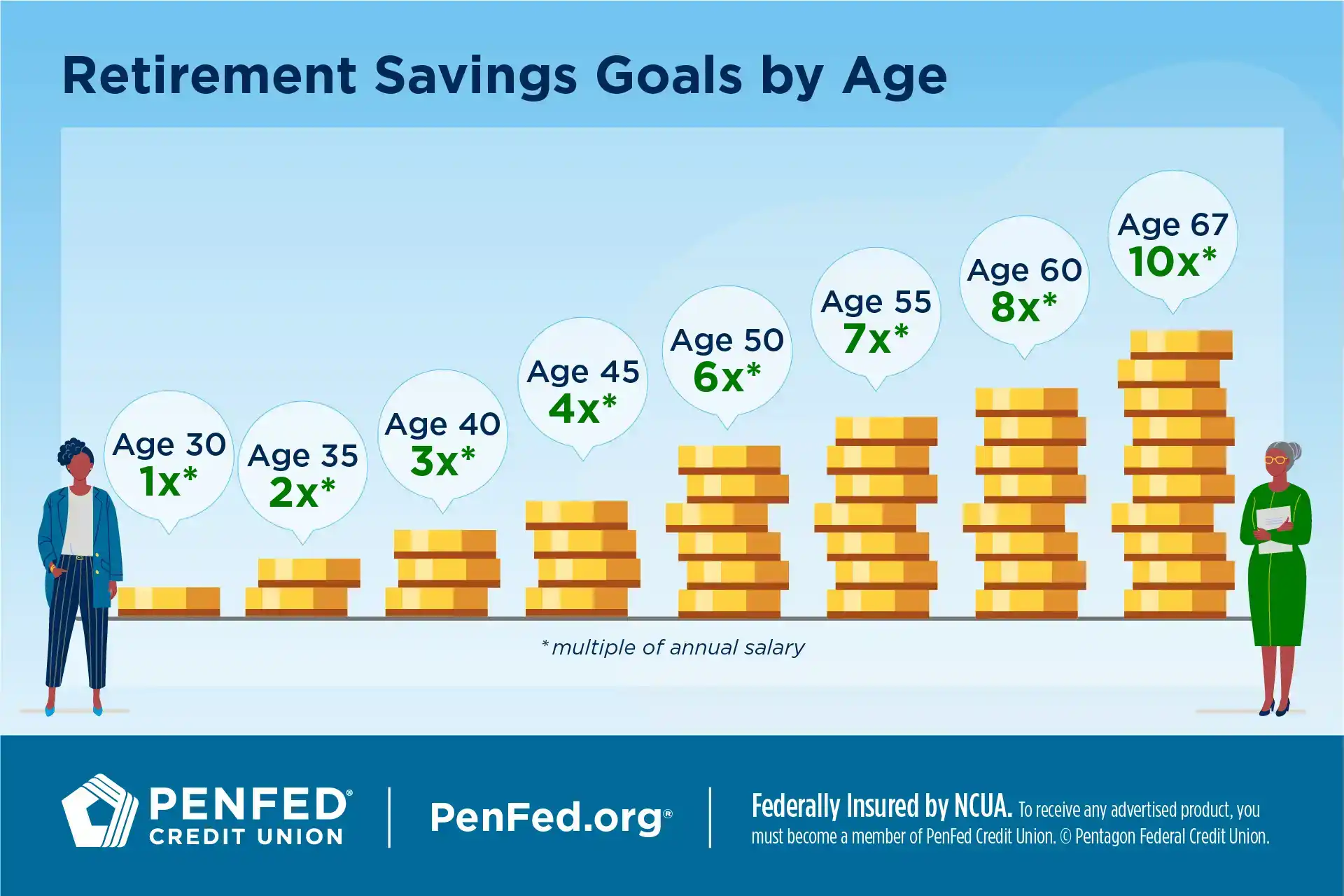
Retirement savings goals by age infographic

Retirement savings journey chart

2026 Contribution Limits: Save More This Year

  • 401(k), 403(b), most 457 plans, and Thrift Savings Plan: $24,500 (up from $23,500 in 2025).
  • Catch-up for age 50+: Additional $8,000 (total $32,500).
  • Super catch-up for ages 60-63: $11,250 (total up to $35,750 if plan allows).
  • Traditional and Roth IRA: $7,500 (up from $7,000).
  • IRA catch-up for age 50+: Additional $1,100 (total $8,600).

Note: High earners (over ~$150,000 in prior year wages) must make catch-up contributions as Roth (after-tax) in employer plans starting 2026.

2026 401k contribution limits chart

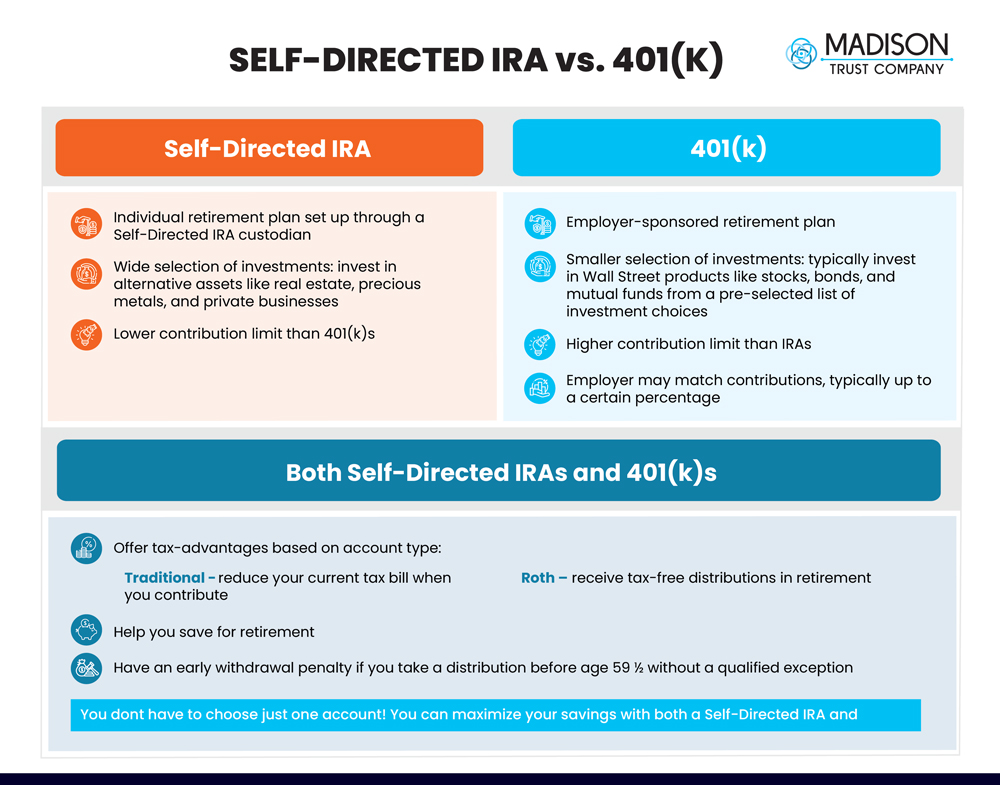
401k vs IRA comparison

Top Retirement Planning Tips for 2026

  1. Maximize Employer Matches: Always contribute enough to get the full match—it's free money!
  2. Prioritize Roth Options: With potential future tax changes, Roth contributions or conversions can provide tax-free growth.
  3. Automate Contributions: Set up automatic increases to hit the new higher limits effortlessly.
  4. Diversify Accounts: Use both 401(k) and IRA for flexibility in taxes and withdrawals.
  5. Review Beneficiaries and Fees: Ensure designations are updated and choose low-cost investments.
  6. Plan for Healthcare: Consider HSAs if eligible—triple tax advantages for medical costs in retirement.
  7. Stress-Test Your Plan: Use online calculators to simulate different scenarios.

Golden nest egg retirement savings

Golden egg in nest representing retirement nest egg

Happy retired couple on beach at sunset

Elderly couple enjoying retirement sunset

Starting strong in 2026 sets you up for decades of security. What's your first retirement move this year? Share in the comments!

Disclaimer: Limits and rules current as of January 2026. This is informational only—not personalized financial advice. Consult a professional for your situation.

Comments

Popular posts from this blog

Best High-Yield Savings Accounts January 2026: Top Rates Up to 5.00% APY

Best High-Yield Savings Accounts in January 2026: Top Rates Up to 5.00% APY As we start January 2026, high-yield savings accounts (HYSAs) are still offering impressive rates despite recent Fed cuts. The top rate available nationally is 5.00% APY from providers like Varo Bank and AdelFi — that's over 12 times the national average of around 0.39%. These accounts are perfect for emergency funds, short-term goals, or simply growing your cash safely (FDIC-insured up to $250,000). Act soon — rates are variable and likely to trend lower throughout 2026. Top High-Yield Savings Accounts (as of January 2, 2026) Varo Bank – 5.00% APY (on balances up to $5,000 with qualifying direct deposits; lower on higher balances) AdelFi – 5.00% APY Newtek Bank – 4.35% APY (no minimum deposit) Axos Bank – 4.31% APY Peak Bank / Openbank – 4.20% APY LendingClub LevelUp Savings – Up to 4.20% APY (with $250+ monthly deposit) Why Open a HYSA in 2026...

10 Essential Personal Finance Tips to Kickstart 2026 Strong

10 Essential Personal Finance Tips to Kickstart 2026 Strong Happy New Year! As we step into January 2026, it's the perfect time to reset your financial habits and build a stronger foundation for the year ahead. With interest rates potentially easing further, inflation hovering around 2.4-2.6%, and new opportunities emerging in investing, taking control of your money now can make a huge difference. Whether you're aiming to build wealth, reduce debt, or simply feel more secure, here are 10 practical, actionable personal finance tips tailored for 2026. Create a Realistic Budget and Stick to It Use the 50/30/20 rule: 50% needs, 30% wants, 20% savings/debt. Track spending with free apps. Build or Boost Your Emergency Fund Aim for 3–6 months of expenses in a high-yield savings account — your safety net for 2026 surprises. Pay Down High-Interest Debt Aggressively Tackle credit cards first. Aim to reduce balances by at least 25% this year. Max...

Ultimate Guide to Personal Budgeting in 2026

Ultimate Guide to Personal Budgeting in 2026: Step-by-Step Plan to Master Your Money Happy New Year! As we enter **January 2026**, there's no better time to take control of your finances. Budgeting isn't about restriction—it's about empowerment. A solid budget helps you track income, cut unnecessary spending, build savings, pay off debt faster, and achieve your biggest goals, whether that's a dream vacation, home down payment, or early retirement. In this ultimate guide (over 1,800 words), we'll cover everything from why budgeting matters in 2026's economy to popular methods, tools/apps, step-by-step creation, common mistakes, and advanced tips. With inflation stabilizing around 2.4–2.8% and wages growing modestly, smart budgeting can stretch your dollars further than ever. Why Budgeting is Essential in 2026 Life is expensive: Housing, groceries, energy, and healthcare costs continue rising. Without a budget, it's easy to overspend and live payche...